
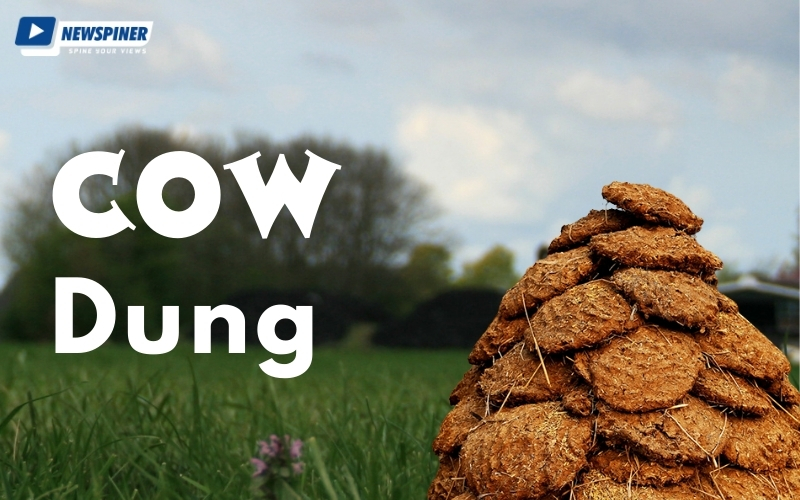
Cow dung, commonly known as cow manure or cow pats, is the natural waste produced by bovine animals such as cows, buffaloes, yaks, and bison. While often misunderstood as mere waste, cow dung has been used for centuries across the world for agriculture, fuel, construction, ecological balance, and religious practices. Rich in organic matter and minerals, it continues to be an important resource in sustainable living.
What Is Cow Dung?
Cow dung is the undigested plant material that passes through a cow’s digestive system. It contains water, fiber, beneficial bacteria, enzymes, and trace minerals. Fresh cow dung usually appears greenish-brown and gradually darkens when exposed to air. Its natural composition allows it to decompose easily and enrich the soil.
Uses of Cow Dung
Cow Dung as Fuel
In many rural regions of India, Africa, and Asia, dried cow dung is used as an affordable fuel source. It is shaped into flat cakes and sun-dried before being burned for cooking and heating. Cow dung is also widely used in biogas plants, where it produces methane-rich gas that can be used to generate electricity and heat, offering a renewable energy solution.
Cow Dung as Fertilizer
Cow dung is one of the oldest and most effective organic fertilizers. It improves soil fertility, enhances microbial activity, and increases moisture retention. When converted into compost or vermicompost, cow dung becomes a nutrient-rich manure suitable for crops, gardens, and plantations. Eco-friendly products such as biodegradable plant pots made from cow dung are also gaining popularity.
Floor and Wall Coating
Traditional homes in parts of India and Africa have long used cow dung to coat floors and walls. This practice is believed to repel insects, reduce dust, and maintain hygiene. In recent years, cow dung-based paints and coatings have been introduced as sustainable, chemical-free alternatives for modern construction.
Other Traditional and Practical Uses
Cow dung is used as a mosquito repellent, a natural thermal insulator in cold regions, and a binding agent in adobe and mud-brick houses. In some cultures, it is also used in folk art and decorative wall designs. Dried cow dung has even become part of recreational activities and local traditions in certain countries.
Ecological Importance of Cow Dung
Cow dung plays a key role in maintaining ecological balance. It provides nourishment for insects, fungi, bacteria, and dung beetles, which help break it down and return nutrients to the soil. This process improves soil health and supports biodiversity. In grazing lands, cow dung creates nutrient-rich patches that benefit various plant and insect species.
Variants of Cow Dung
Different bovine species produce different forms of dung. For example, dried bison dung—often called “buffalo chips”—was historically used as fuel by indigenous communities in North America. Such variants highlight how dung has been adapted to suit different environments and needs.
Religious and Cultural Significance
Cow Dung in Hinduism
In Hindu tradition, cow dung holds ritual importance and is considered sacred. It is commonly used in religious ceremonies, household purification practices, and festival preparations. Many households still apply cow dung mixtures to floors during auspicious occasions.
Cow Dung in Buddhism
Certain Buddhist ritual texts mention the use of cow dung for purification purposes, particularly during ceremonial preparations and altar cleansing.
Conclusion
Cow dung is far more valuable than it appears. From agriculture and renewable energy to ecological balance and cultural traditions, it plays a vital role in sustainable living. As the world moves toward eco-friendly alternatives, cow dung-based products and practices are gaining renewed importance, proving that natural resources can support both tradition and modern sustainability.