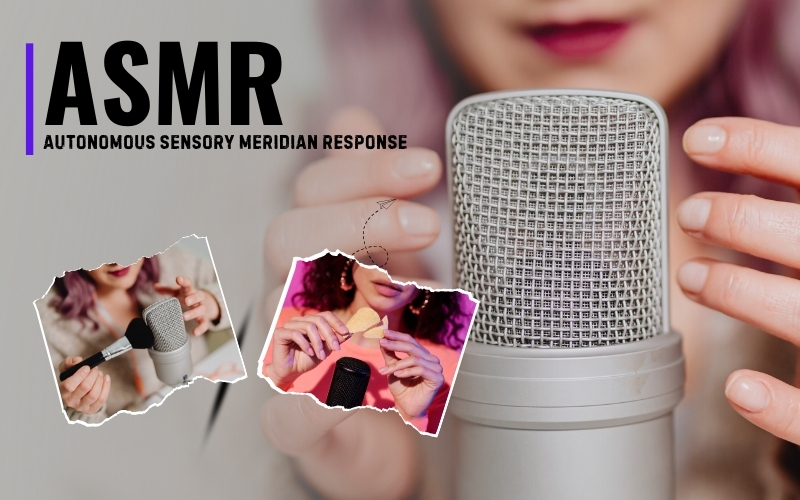
Have you ever noticed a tingling sensation that begins at your scalp and moves down your spine? That’s ASMR, short for Autonomous Sensory Meridian Response. While it may feel unusual at first, it’s more than just a curious reaction. ASMR has been shown to provide real benefits—from promoting mindfulness and lowering heart rate to helping you slip into a deeply focused, almost meditative state. No wonder so many people swear by its calming effects.
What is ASMR Exactly?
ASMR is a warm, tingly feeling that some people experience when they hear, see, or feel certain things. Not everyone feels it, and triggers can vary widely.
For those who do, ASMR is deeply relaxing. It has gained popularity on platforms like YouTube, where ASMR creators (often called ASMRtists) use whispering, tapping, soft hand movements, and other gentle triggers to help induce this sensation.
Most Common ASMR Triggers
ASMR triggers differ from person to person, but here are some of the most popular:
-
Whispering
Soft, gentle speech is the most famous trigger. Hearing whispers can slow your heart rate and make you feel calm. -
Crisp or squishy sounds
Eating an apple, crinkling paper, or squeezing a sponge can create soothing sounds many people enjoy. -
Tapping or typing
The rhythmic, repetitive sounds of tapping or typing help people relax and reduce stress. -
Eye contact
Soft, lingering eye contact—often simulated in ASMR videos—can create warmth and a feeling of connection. -
Light patterns
Gentle visuals like flickering candles, twinkling lights, or moving shadows can trigger ASMR by drawing focus away from daily stress.
What Does ASMR Do to Your Brain? 5 Key Benefits
ASMR isn’t just an internet trend—scientists are beginning to confirm what many people already know: ASMR can positively affect your mental and physical well-being.
1. Reduced Anxiety
ASMR helps lower stress by reducing cortisol (the stress hormone) and calming the brain. Many people use it before stressful events. (Note: If stress disrupts your daily life, always seek professional help.)
2. Enhanced Mood
ASMR can boost dopamine, the “feel-good” brain chemical, improving mood and even easing sadness or mild depression.
3. Pain Relief
Some studies suggest ASMR can reduce the perception of pain by promoting deep relaxation. It may help with chronic pain conditions like fibromyalgia.
4. Flow State
ASMR can help you focus deeply, improving creativity and productivity. Many people use it to reach a “flow state.”
5. Better Sleep
ASMR reduces heart rate, eases tension, and relaxes the brain—making it a natural sleep aid without medication.
Which Kind of ASMR Videos Are Most Popular?
Not all ASMR videos attract the same attention. The most popular ones tend to feature sounds and visuals that are universally soothing. Here are the top categories people love to listen to:
-
Soft spoken & whispering – Gentle voices and whispers remain the most iconic and widely enjoyed ASMR triggers.
-
Eating sounds (Mukbang ASMR) – Crunching, sipping, and chewing amplified with sensitive microphones are among the most-watched ASMR content worldwide.
-
Natural soundscapes – Rainfall, thunderstorms, ocean waves, or crackling fire sounds are very popular for sleep and relaxation.
-
Role-play ASMR – Personal attention scenarios like doctor exams, haircuts, or spa treatments attract millions of views.
-
Trigger compilations – Mixes of tapping, scratching, whispering, and brushing sounds allow viewers to find their personal favorites.
-
Unintentional ASMR – Videos not originally made for ASMR (like Bob Ross’s painting tutorials) often gain cult popularity.
World’s Most Popular ASMR Video
As of late 2025, the most popular ASMR video on YouTube was “3 Hours of Gentle Night Rain” by The Relaxed Guy, with over 228 million views. Rankings change frequently, but this video shows how powerful natural sound ASMR can be.
Related popular ASMR videos include:
-
World’s Best ASMR Video – Jojo’s ASMR (YouTube, 1 hr)
-
Your New Favorite ASMR Video Ever – Gibi ASMR (YouTube, 32 min)
-
The Most Popular ASMR Triggers – ASMR Jade (YouTube, 28 min)
The most popular ASMR videos are not usually tied to a single creator. Instead, they fall into categories like Mukbang, nature sounds, roleplay, or trigger compilations, which many creators produce successfully.
Top 10 Most Popular ASMR YouTube Creators
| Rank | Creator / Channel | Subscribers (approx) | Total Views (approx) | Known For |
|---|---|---|---|---|
| 1 | SAS-ASMR | 9.3M+ | 3B+ | Eating sounds, Mukbang ASMR |
| 2 | Gibi ASMR | 5.1M+ | 2.3B+ | Roleplays, cosplay, whisper ASMR |
| 3 | ASMR Zeitgeist | 3.1M+ | 750M+ | High-quality audio & visuals |
| 4 | ASMR Darling | 2.5M+ | 650M+ | Soft spoken & sleep ASMR |
| 5 | Zach Choi ASMR | 2M+ | 500M+ | Silent Mukbang + ASMR |
| 6 | Gentle Whispering ASMR | 2M+ | 600M+ | One of the first ASMRtists |
| 7 | Jojo’s ASMR | 2M+ | 400M+ | Roleplay & creative triggers |
| 8 | Tingting ASMR | 1.9M+ | 300M+ | Calming Chinese/English ASMR |
| 9 | FrivolousFox ASMR | 1.8M+ | 350M+ | Whispering & mouth sounds |
| 10 | WhispersRed ASMR | 1M+ | 200M+ | UK-based roleplays & relaxation |
Who Likes ASMR (and Who Doesn’t)?
-
People who like ASMR:
-
Those who enjoy soft sounds, whispers, or repetitive calming noises.
-
People looking for stress relief, better focus, or sleep support.
-
Viewers who find comfort in “personal attention” roleplays (doctor, spa, or haircut scenarios).
-
-
People who don’t like ASMR:
-
Some individuals cannot feel the tingling sensation (their brains don’t respond to ASMR).
-
Others may find certain triggers irritating or uncomfortable.
-
People with misophonia (sensitivity to specific sounds like chewing or mouth noises) often dislike ASMR, as it can feel overwhelming instead of relaxing.
-
Conclusion
ASMR is more than just a trend — it’s a fascinating blend of science and sensation. With benefits like stress relief, better sleep, and improved mood, it’s no wonder millions of people turn to ASMR videos every day. Whether you enjoy whispers, tapping, rain sounds, or eating videos, there’s an ASMR creator out there for you.
Frequently Asked Questions (FAQ)
1. What does ASMR stand for?
Ans: ASMR stands for Autonomous Sensory Meridian Response. It describes the relaxing, tingling sensation that some people feel when they hear soft, repetitive sounds or see calming visuals.
2. What is ASMR?
Ans: ASMR is a calming sensory experience triggered by sounds like whispering, tapping, brushing, or eating noises. Many people use it to relax, reduce stress, or fall asleep.
3. What does ASMR trigger in the brain?
Ans: ASMR activates brain regions linked to calmness, comfort, and reward. Studies suggest it increases dopamine and oxytocin (happy and bonding hormones), helping people feel relaxed and safe.
4. Negative impact of ASMR
Ans: While ASMR is safe for most people, some may find it irritating or distracting. Those with misophonia (sound sensitivity) may feel discomfort from chewing or whispering sounds. Overuse (like hours before sleep) can also disrupt natural routines.
5. World’s Most Popular ASMR Video
Ans: As of late 2025, the most popular ASMR video on YouTube was “3 Hours of Gentle Night Rain” by The Relaxed Guy, with over 228 million views.
6. Can ASMR help to sleep?
Ans: Yes. ASMR is one of the most effective natural tools for improving sleep quality. The soothing sounds relax the body, slow the heart rate, and prepare the brain for deep rest, making it helpful for people with insomnia.