For businesses involved in the food industry, ensuring the safety and integrity of products during transportation is essential. From farm-fresh produce to packaged goods, food items must be transported in a way that prevents contamination, spoilage, or other safety hazards. This is where food-grade trailers come into play.
Food-grade trailers are specially designed vehicles that meet strict standards for transporting consumables safely. Whether your company ships perishable items like dairy and meat or non-perishable packaged goods, understanding food-grade trailers is critical for compliance, product quality, and consumer trust.
What Is a Food-Grade Trailer?
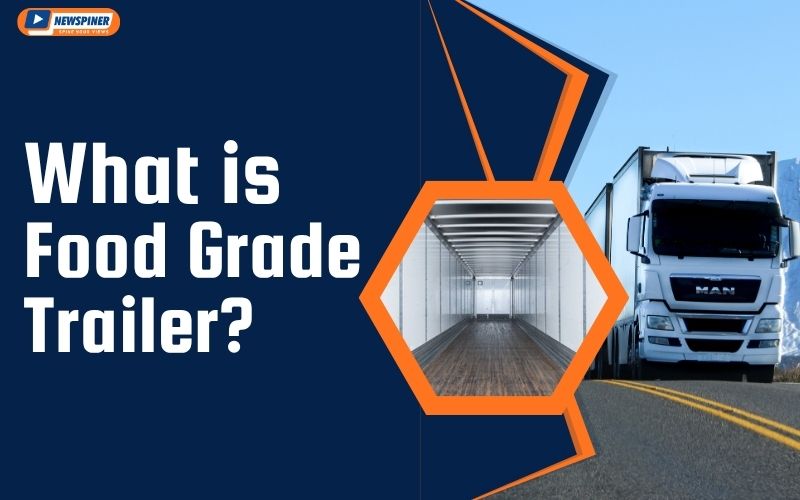
A food-grade trailer is a type of commercial trailer specifically built to transport food and beverages safely. These trailers are designed to prevent contamination and meet regulations set by authorities such as the Food and Drug Administration (FDA) under the Food Safety Modernization Act (FSMA).
Key characteristics of food-grade trailers include:
-
Smooth, cleanable interior surfaces to prevent bacterial growth.
-
Temperature control systems for perishable products.
-
Strict storage and maintenance procedures to avoid contamination.
-
Separation from hazardous materials and non-food items.
In short, food-grade trailers provide a secure and hygienic environment that protects your products throughout the supply chain.
You Can Also Read: Top Step Deck Trucking Companies in USA 2025
Benefits of Food-Grade Trailers
Using a food-grade trailer provides multiple advantages that go beyond basic transportation. Here’s a closer look at why investing in food-grade trailers is essential for businesses shipping consumables:
Ensures Safety and Compliance
Food-grade trailers are specifically designed to meet FDA regulations and FSMA guidelines. By using these trailers, businesses reduce the risk of food contamination during transit. Compliance with legal standards protects your company from fines, penalties, or recalls while ensuring that the products reaching customers are safe for consumption.
Maintains Product Quality
Many food products, especially perishable items like dairy, meat, and fresh produce, require controlled environments during transportation. Food-grade trailers often come equipped with temperature control systems, including refrigeration or freezing capabilities. This ensures products maintain their quality, freshness, and taste throughout the supply chain, reducing spoilage and waste.
Protects Brand Reputation
A single incident of food contamination can damage a company’s reputation permanently. Using food-grade trailers demonstrates your commitment to product safety and customer satisfaction. Consistently delivering safe and high-quality products builds trust with clients, retailers, and consumers, which is invaluable for long-term business success.
Reduces Legal and Financial Risks
Transporting food in non-compliant vehicles can expose businesses to legal action, product recalls, and financial losses. Food-grade trailers help mitigate these risks by ensuring that transportation practices meet regulatory standards, protecting both the business and the end consumer.
Improves Operational Efficiency
Food-grade trailers are designed for hygiene, easy cleaning, and temperature control, which streamlines operations. Less spoilage and contamination mean fewer lost shipments and reduced waste, resulting in cost savings over time. Efficient transportation also improves supply chain reliability and customer satisfaction.
Supports Sustainability Efforts
By reducing product waste due to spoilage or contamination, food-grade trailers contribute to more sustainable business operations. Fewer discarded products mean less environmental impact, helping companies meet sustainability goals while maintaining operational efficiency.
Adaptable for Various Food Products
Food-grade trailers can handle a wide range of commodities, from fresh produce to packaged goods and frozen items. Many trailers can also be customized with specific features such as insulated walls, multiple temperature zones, or specialized compartments, making them versatile for diverse food transportation needs.
Which Businesses Need Food Grade Trailers?
Food-grade trailers are essential for companies that ship any type of consumable products, including:
-
Dairy and frozen foods
-
Meat and poultry
-
Fresh fruits and vegetables
-
Packaged snacks and beverages
-
Pet food and animal feed
-
Bakery and confectionery items
Even businesses shipping non-perishable food items benefit from using food-grade trailers, as they help maintain hygiene standards and prevent contamination from previous loads.
You Can Also Read: What Is Dry Van Shipping and Why Use It?
Pros and Cons of Food Grade Trailers
| Pros | Cons |
|---|---|
| Ensures compliance with FDA & FSMA regulations | Higher upfront cost than standard trailers |
| Maintains food safety and quality during transit | Requires regular cleaning and maintenance |
| Reduces risk of cross-contamination | Limited use for non-food items |
| Temperature control for perishable goods | Some specialized equipment may increase operational costs |
| Enhances brand trust and consumer confidence | Training may be needed for drivers and staff |
Other Considerations for Food-Grade Trailers
When choosing a food-grade trailer, businesses should consider:
-
Temperature Control Needs: Determine if your products require refrigerated or frozen conditions.
-
Cleaning Protocols: Ensure the trailer can be professionally cleaned and certified if needed.
-
Previous Use Restrictions: Trailers used for hazardous materials cannot be converted to food-grade.
-
Transportation Certifications: Verify that drivers have the necessary certifications to handle food safely.
-
Custom Specifications: Some products may need pre-cooled trailers or special compartments for sensitive items.
Working with a reputable transportation provider experienced in food-grade hauling can simplify compliance and reduce operational risks.
You Can Also Read: Top 10 Flatbed Trucking Companies in Houston TX
Conclusion
A food-grade trailer is more than just a transport vehicle—it’s a critical part of the food supply chain that ensures products arrive safely, hygienically, and in top quality. For businesses shipping perishable or packaged goods, investing in food-grade transportation safeguards your brand, complies with regulations, and protects the health of end consumers.
Choosing the right trailer, understanding FDA standards, and partnering with an experienced carrier will make the difference between safe, efficient delivery and potential product loss or contamination.
When it comes to transporting food, there’s no substitute for a properly maintained, certified food-grade trailer.