
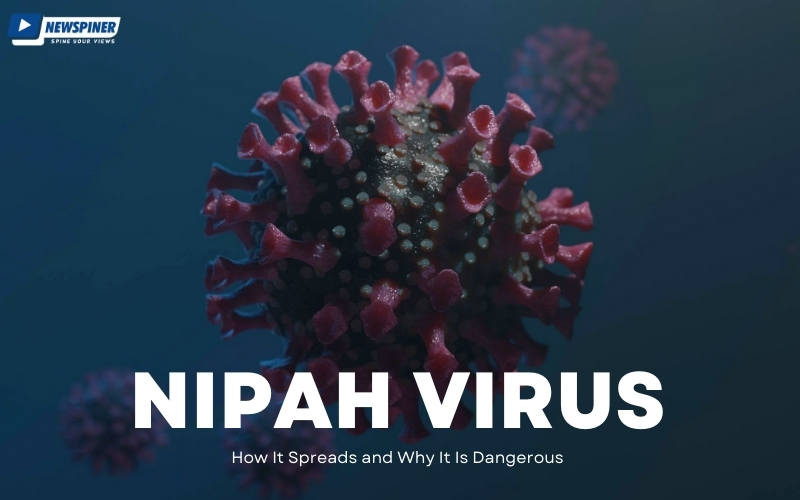
The Nipah virus (NiV) is a rare but highly dangerous viral infection that affects both humans and animals. First identified in 1999, Nipah virus has caused several outbreaks, mainly in South and Southeast Asia. What makes this virus especially concerning is its high fatality rate and its ability to spread from animals to humans—and even between humans.
What Is Nipah Virus?
Nipah virus is a zoonotic virus, meaning it can pass from animals to humans. Fruit bats (commonly called flying foxes) are the natural carriers of the virus. These bats usually do not show symptoms, but they can transmit the virus to other animals and people.
How Does Nipah Virus Spread?
Nipah virus spreads in several ways:
- From animals to humans
People can get infected by direct contact with infected animals such as pigs or by consuming food contaminated by fruit bats, including raw date palm sap or fruits partially eaten by bats. - From person to person
The virus can spread through close contact with an infected person’s bodily fluids, such as saliva, blood, urine, or respiratory droplets. This makes caregiving and hospital settings high-risk areas during outbreaks. - Through contaminated surfaces
Touching surfaces or objects contaminated with the virus and then touching the mouth, nose, or eyes can also lead to infection, though this is less common.
Why Is Nipah Virus So Dangerous?
Nipah virus is considered extremely dangerous for several reasons:
- High death rate: The fatality rate can range from 40% to over 70%, depending on the outbreak and medical response.
- Severe symptoms: Infection can cause high fever, headache, vomiting, breathing problems, and swelling of the brain (encephalitis), which may lead to coma.
- No specific cure: Currently, there is no specific antiviral treatment or approved vaccine for Nipah virus. Treatment mainly focuses on supportive care.
- Rapid progression: Symptoms can worsen quickly, making early detection and isolation critical.
- Risk of outbreaks: Human-to-human transmission increases the risk of fast-spreading outbreaks if proper precautions are not taken.
Prevention and Safety Measures
While Nipah virus is dangerous, the risk can be reduced by:
- Avoiding consumption of raw or unprocessed foods that may be contaminated by bats
- Practicing good hand hygiene
- Avoiding close contact with infected individuals
- Using protective equipment in healthcare and caregiving settings
Conclusion
Nipah virus is a serious public health threat due to its high mortality rate, lack of targeted treatment, and ability to spread through close contact. Awareness, early detection, and strict preventive measures are the most effective ways to control its spread. Staying informed and cautious can help protect individuals and communities from this deadly virus.