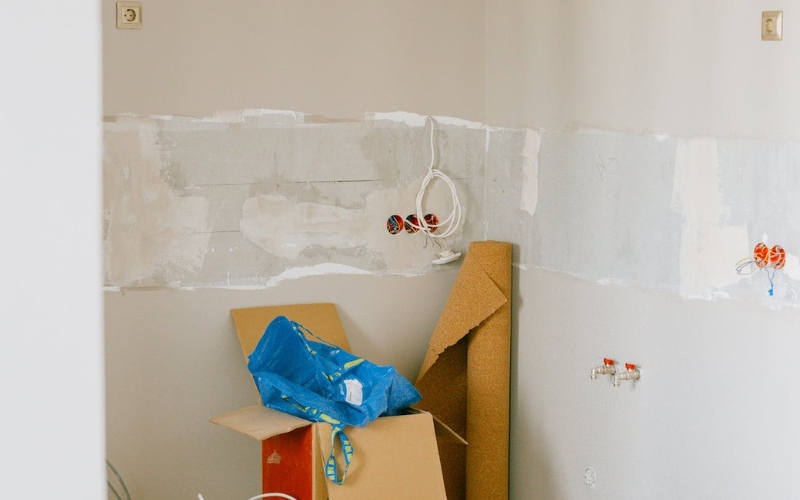

Renovating a property in Cambridge can be one of the most rewarding investments you’ll make. Whether you’re upgrading your own home or improving a buy-to-let, a property renovation Cambridge project requires thoughtful planning, budgeting, and coordination.
To help you stay organised and avoid common pitfalls, we’ve put together a practical checklist that covers every stage of the process from initial planning to finishing touches.
1. Define Your Renovation Goals
Before you begin, it’s crucial to be clear on why you’re renovating. Are you modernising an old property, adding value before selling, or improving rental potential?
Think about:
- Purpose: Home improvement, resale, or rental income
- Scope: Full renovation or specific areas (kitchen, bathroom, etc.)
- Timescale: When do you want the project completed?
Defining these objectives early will help guide your decisions and keep your property renovation Cambridge project focused.
2. Set a Realistic Budget
Renovations can easily go over budget if not carefully planned. Start by listing all anticipated costs, then add a contingency (usually 10–15%) for unexpected expenses.
Typical costs to include:
- Planning and design fees
- Labour and materials
- Structural work
- Fixtures and fittings
- Finishing and decoration
- Temporary accommodation (if you’re living elsewhere during the renovation)
In Cambridge, renovation costs can vary depending on property type and location. Period homes in central Cambridge often require specialist work, while newer properties may need simpler updates.
3. Check Planning Permissions and Regulations
Before any work begins, ensure your project complies with local planning and building regulations.
You may need planning permission if you’re:
- Extending or altering the property’s structure
- Changing its use (e.g., converting a house into flats)
- Renovating a listed building or one in a conservation area
Cambridge has several conservation zones, so it’s essential to check with the Cambridge City Council before starting. Even if full planning permission isn’t required, you’ll still need to meet Building Regulations to ensure safety and energy efficiency.
4. Hire the Right Professionals
The success of your renovation largely depends on the people you work with. For a smooth property renovation Cambridge experience, hire reputable, experienced professionals.
You may need:
- Architect or Designer: For layout planning and design ideas
- Builder or Contractor: To carry out the renovation work
- Structural Engineer: If major alterations or extensions are involved
- Surveyor: To assess property condition before work begins
- Electricians, Plumbers, and Decorators: For specialist jobs
5. Carry Out a Property Survey
Before starting work, it’s wise to have a full property survey done especially for older homes. This can reveal hidden issues like damp, rot, subsidence, or outdated wiring that could affect your renovation plans or budget.
A Chartered Surveyor can provide a detailed report highlighting any structural or maintenance concerns, helping you make informed decisions before investing further.
6. Create a Detailed Renovation Plan
Once you’ve chosen your team and set your budget, it’s time to plan the renovation step-by-step. A well-structured plan helps ensure everyone involved knows what to expect and when.
Include:
- Timeline: Start and completion dates
- Work sequence: What gets done first (e.g., structural changes before decorating)
- Material schedule: When materials need to be ordered
- Payment milestones: Linked to project stages
7. Secure Necessary Insurance
During renovation, your standard home insurance may not cover all risks. Check with your provider or arrange renovation insurance to cover:
- Structural damage
- Theft or vandalism of materials
- Injuries on-site
- Contractor liability
If the property will be unoccupied for a long period, ensure it’s protected under an unoccupied property insurance policy.
8. Source Quality Materials and Fixtures
Materials can make or break your renovation. Choose durable, sustainable, and locally sourced materials wherever possible. Cambridge suppliers often offer eco-friendly options suitable for heritage or modern homes.
Consider:
- Reclaimed timber or bricks for period homes
- Energy-efficient windows and insulation
- Sustainable flooring and low-VOC paints
Balancing quality with budget ensures your property renovation Cambridge project stands the test of time.
9. Monitor Progress Regularly
Keep a close eye on the work as it progresses. Regular site visits and communication with your contractor help catch issues early and keep the project on schedule.
Tips for effective monitoring:
- Schedule weekly check-ins with the project manager
- Review progress against the original plan
- Document changes or delays
- Keep a written record of all communications
If something doesn’t look right, raise it immediately. It’s easier (and cheaper) to fix issues mid-project than once work is complete.
10. Prepare for the Unexpected
Even the best-planned projects can encounter surprises like the hidden damp, outdated wiring, or planning delays. The key is to remain flexible and have contingency plans.
Having that 10–15% buffer in your budget will help manage the renovation challenges without too much stress. Staying calm and solution-focused ensures your property renovation Cambridge project remains on track.
11. Focus on Finishing Touches
Once major work is complete, it’s time to add the details that bring everything together. These might include:
- Painting and decorating
- Lighting and fittings
- Flooring and window dressings
- Landscaping and outdoor improvements
The finishing phase is where your vision comes to life so don’t rush it. Take the time to ensure everything feels cohesive, comfortable, and in line with your goals.
12. Conduct a Final Inspection
Before signing off, walk through the property with your contractor to ensure all work meets your expectations.
Check that:
- All tasks are complete
- Electrical and plumbing systems are functioning properly
- Finishes are neat and consistent
- Any defects are addressed
Request all warranties, manuals, and certificates for installed systems or materials before making the final payment.
13. Add Value and Sustainability
A renovation isn’t just about improving looks it’s also an opportunity to increase property value and reduce running costs.
Consider eco-friendly upgrades such as:
- Solar panels or air-source heat pumps
- Improved insulation
- Energy-efficient lighting and appliances
- Smart home technology
Sustainable choices not only lower energy bills but also appeal to future buyers or tenants, making your property renovation Cambridge project more valuable in the long run.
Plan Smart, Renovate Right
A successful property renovation Cambridge project is all about preparation, patience, and precision. With a clear vision, reliable professionals, and a well-structured plan, you can transform your property into a beautiful, functional, and valuable space.
Whether it’s a Victorian terrace near the city centre or a modern home on the outskirts, careful planning ensures your renovation journey is smooth, rewarding, and worth every penny.