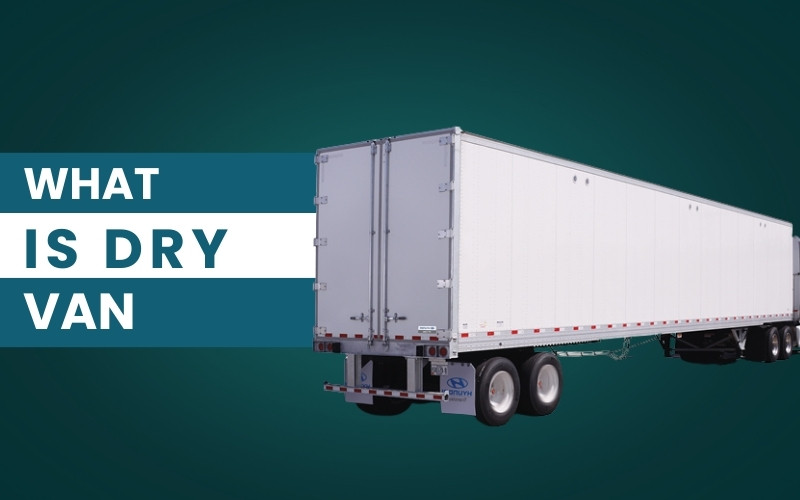
When it comes to freight shipping, one of the most common terms you’ll hear is dry van. But what exactly does it mean, and why is it so widely used? A dry van is the classic box-shaped trailer you often see on highways—fully enclosed to keep cargo safe from weather, dust, and road conditions. Unlike refrigerated trailers, dry vans don’t have climate control, making them ideal for moving non-perishable goods like clothing, furniture, electronics, and packaged products.
In this blog, we’ll break down everything you need to know about dry van shipping—what it is, why it’s so popular, when to use it, and how it compares to other freight options.
What Is Dry Van Trucking?
Dry van trucking refers to the use of large, enclosed trailers—commonly called dry vans or box trailers—to transport goods that don’t require refrigeration or temperature regulation. These trailers are one of the most widely used freight shipping methods because they offer:
- Versatility – suitable for a wide variety of cargo.
- Protection – enclosed walls and roof shield goods from weather and theft.
- Reliability – a trusted choice across industries for both short- and long-haul shipments.
Dry van trailers typically come in sizes between 48 and 53 feet long, with 53 feet being the most common on highways. Their design makes them a go-to solution for moving retail products, building materials, electronics, packaged food, and other general freight.
Simply put, dry van trucking is the backbone of modern freight transport—offering shippers a cost-effective, secure, and widely available way to move goods across cities, states, or even nationwide.
Why Is It Called a “Dry Van”?
The name “dry van” comes from the trailer’s ability to keep cargo dry and safe. Unlike refrigerated trailers which keep things cold or flatbed trailers which are open, dry vans are properly closed and do not control temperature. Their closed design protects the items inside from rain, snow, dirt, sunlight, and other weather.
Dry vans mostly available in sizes between 48 and 53 feet long, with 53 feet being the most common. These are the trailers you usually see attached to larger trucks on highways.
You Can Also Read: Top 10 Local Flatbed Trucking Companies in Houston TX
When You Must Use Dry Van Shipping?
Dry van shipping is a great mode for moving more types of goods that do not need refrigerators or special management. Such as-
- Retail products
- Consumer packaged goods
- Building materials ( lumber, drywall)
- Electronics
- Furniture and appliances
- Paper goods and textiles
- Palletized shipments
Since they are covered, dry vans provide protection and security, making them appropriate for valuable or breakable material as well.
Dry Van Trailer vs. Other Trailer Types
Knowledge about how dry vans compete to other trailer kinds is crucial when picking the perfect shipping process for your cargo-
Dry Van vs. Flatbed
- Dry Vans are covered, securing goods from extreme weather and thefts.
- Flatbeds are open and used for oversized or irregular loads like machinery, which will not fit inside a van.
Dry Van vs. Reefer (Refrigerated Trailers)
- Dry Vans- lack climate control, making them inappropriate for easily spoiled or temperature-sensitive goods.
- Reefers- are tools with cooling systems and used for cuisine, pharmaceuticals, and other short shelf life.
Dry Van vs. Straight Truck (Box Truck)
- A straight truck integrates the cab and cargo region on a basic chassis. These are perfect for short-haul, local deliveries and easy to navigate in urban areas.
- A dry van trailer is pulled by a semi-truck and better suited for long-haul or heavy-loaded shipments.
Advantages of Dry Van Trucks
Dry van trailers are famous for several reasons-
1. Versatility
Dry vans can transport a number of products, from commercial goods to industrial supplies, making them the go-to option for several shippers.
2. Cargo Protection
The contained structure safeguards your cargo from weather, road debris, theft, and damage.
3. Cost-Effective
Dry vans are common trailers without some particular functions, so they are mostly inexpensive to rent or use than refrigerated or flatbed trailers. Their smooth design also assists to save fuel, which makes shipping more reasonable.
4. Availability
Since they are so widely used, dry vans are readily available across most freight carriers and locations, reducing lead times and improving logistics flexibility.
5. Durable Construction
Modern dry vans are made with solid steel or other durable materials. Certain are also built in a way that mitigates air resistance, which assists save fuel while transport.
You Can Also Read: What Is an ADR Licence and Why You Need It?
Challenges of Using Dry Van Trailers
Despite their benefits, dry vans do have limitations-
1. No Temperature Control
Dry vans cannot manage a particular temperature, so they are not appropriate for perishable goods such as fresh production, frozen goods, or pharmaceuticals.
2. Loading/Unloading Constraints
Dry vans usually have only rear access, which can make loading and unloading time-consuming, mostly for wider or awkwardly shaped items.
3. Space & Weight Restrictions
Heavy or oversized loads might exceed the trailer’s ability. Overloading can also lead to regulatory fines or unsafe transport conditions.
How to Keep Your Cargo Safe in a Dry Van
To make sure safe and effective shipping with dry vans, follow these perfect practices-
- Inspect the Trailer Before Loading– Check for any structural damage, leaks, or wear. Make sure the door locks features properly.
- Load Properly– Distribute weight equally. Place heavier items on the floor and lighter items on top to prevent shifting.
- Use Tie-Downs and Securement Tools– Prevent cargo from moving while in transit by using straps, pallets, or load bars.
- Regular Maintenance– Make sure the trailer is clean, well-maintained, and structurally sound before each trip.
Dry Van Shipping- Local vs. Long-Haul
You may wonder- should I use a van truck (straight truck) or a dry van trailer?
- Van trucks are perfect for short-distance or last-mile deliveries in urban areas. They are extra compact and easy to maneuver.
- Dry van trailers are best for long-distance hauls, wider shipping , and cross-nation or interstate transport.
Why Dry Van Shipping Is So Popular
Dry van shipping constant to be one of the most desired ways in the freight industry because of-
- High availability
- Cost-efficiency
- Cargo security
- Flexibility for various industries
Main production companies such as Utility, Great Dane, Wabash, and Hyundai generate advanced dry van trailers with the latest materials, such as composite walls and aluminum skins, for perfect durability and fuel savings.
Used dry van trailers are also larger and available for businesses wondering to save on costs without compromising quality.
You Can Also Read: Why Getting an ADR Licence is Important
Is Dry Van Shipping Right for You?
Dry van trucks are a versatile, secure, and budget-friendly process to move items that do not need temperature control. They probably not be the perfect option for each ship, particularly, if material requires a refrigerator or specific management, but they are a famous option for several shipping requirements.
By knowing how dry vans really work and how to get the best out of them properly, you can plan your shipping better, save money, and make sure your cargo arrives safely.
Frequently Asked Questions
Q. What is a dry van?
Ans- A dry van is a wider, enclosed trailer used to transport goods that do not require temperature control. It secures cargo from extreme weather and dust and is usually used for goods like clothing, furniture, electronics, and processed food.
Q. How wide is a dry van trailer?
Ans- Most standard dry van trailers are-
- 8 feet 6 inches larger (102 inches) on the outside.
- The inside width is usually about 8 feet (96 inches) to allow for wall thickness.
Q. What is the weight of a 53-foot dry van trailer?
Ans- The empty weight of a 53-foot dry van trailer is mostly around-
- 13,000 to 15,000 pounds means 5,900 to 6,800 kg
When fully loaded, the maximum legal weight ,including the trailer and cargo is-
- 80,000 pounds (36,287 kg), this has the tractor, trailer, and cargo.