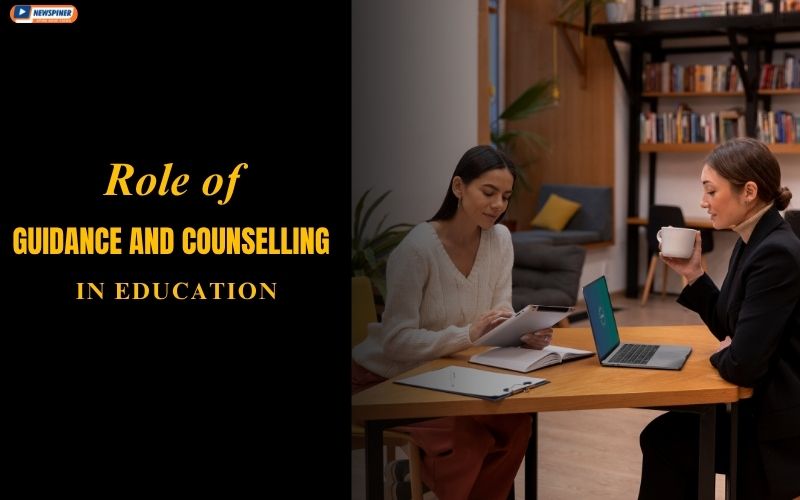
Education in the 21st century goes beyond textbooks and examinations. It focuses on shaping students into well-rounded individuals who can think critically, communicate effectively, and make informed life choices. In this evolving landscape, guidance and counselling in education play a critical role in supporting students’ academic, emotional, and personal development.
Modern learners face increasing academic pressure, career confusion, and mental health challenges. Guidance and counselling help bridge these gaps, ensuring students are prepared for both academic success and real-world challenges.
What is Guidance and Counselling in Education?
Guidance is the process of providing advice, direction, and support to students so they can make informed decisions about their studies, careers, and personal growth. It involves helping students recognize their abilities, interests, and goals.
Counselling, on the other hand, is a personalized and interactive process where a trained professional helps individuals explore and resolve personal, emotional, or social issues.
Together, guidance and counselling form a comprehensive support system that nurtures both academic and emotional well-being in students.
Difference Between Guidance and Counselling
| Aspect | Guidance | Counselling |
|---|---|---|
| Definition | A process of providing advice and direction to help students make decisions. | A therapeutic and interactive process to help individuals deal with emotional or psychological issues. |
| Purpose | To guide students in educational, vocational, and personal choices. | To help students understand and resolve emotional or behavioral challenges. |
| Nature | Preventive and developmental. | Curative and corrective. |
| Approach | General advice given to groups or individuals. | Individualized and confidential one-on-one sessions. |
| Focus Area | Academics, career, and decision-making. | Emotional well-being and personal growth. |
| Provided By | Teachers, career advisors, or guidance counsellors. | Trained psychologists or certified counsellors. |
Both processes are complementary — guidance gives direction, while counselling provides emotional support to help students follow that direction effectively.
Need for Guidance and Counselling in Education
Today’s students face complex challenges such as academic competition, peer pressure, anxiety, and confusion about future careers. This is why guidance and counselling are essential components of modern education.
Some major needs include:
-
Academic Support: Helps students identify learning barriers, improve study habits, and enhance performance.
-
Career Planning: Provides insights into suitable professions, emerging career paths, and required qualifications.
-
Emotional Stability: Offers coping mechanisms to deal with stress, anxiety, and emotional struggles.
-
Behavioral Adjustment: Assists in developing discipline, empathy, and social skills.
-
Decision-Making Skills: Encourages independent and informed choices in academic and personal life.
In short, guidance and counselling ensure that education is not just about learning facts but about shaping balanced, confident, and emotionally intelligent individuals.
Importance of Guidance and Counselling in Education
Students today face many challenges — from academic pressure to choosing the right career path. Along with studies, they also deal with stress, peer influence, and personal issues. In such situations, guidance and counselling play a key role in helping them stay balanced and confident.
Guidance and counselling are important because they focus on a student’s complete growth — academic, emotional, social, and personal. They help learners understand themselves better, make wise choices, and build the strength to face life’s challenges.
Here are some main reasons why guidance and counselling are essential in education:
1. Academic Support
Counselling helps students identify their learning challenges and develop effective study habits. Counsellors guide students in goal setting, time management, and concentration techniques to improve academic performance. For example, a student struggling in math may be encouraged to use different learning methods or seek additional academic help, rather than feeling discouraged.
2. Career Planning and Development
Choosing a career path can be confusing for many students. Career counsellors provide insights into different professions, future trends, and required qualifications. They use aptitude tests, interest assessments, and discussions to help students choose a career that aligns with their talents and goals — reducing uncertainty and confusion about the future.
3. Emotional and Mental Well-being
With increasing academic competition, many students experience stress, anxiety, or low self-esteem. Counselling provides emotional support and teaches coping strategies to manage these feelings in healthy ways. Having someone to listen empathetically can make a huge difference in helping students regain motivation and focus.
4. Behavioral and Social Adjustment
Schools are not only places for learning but also for social interaction. Counsellors help students develop positive relationships, resolve conflicts, and manage emotions effectively. Group sessions and workshops on empathy, communication, and teamwork promote a healthier school environment where every student feels included.
5. Informed Decision-Making
Guidance programs empower students to make well-thought-out academic and personal decisions. Whether it’s choosing subjects, selecting a college, or planning a career path, counselling gives them the clarity to take responsibility for their choices — reducing the fear of failure or regret later on.
6. Building Confidence and Self-Esteem
Many students struggle with self-doubt and lack of confidence. Counsellors use encouragement and self-assessment exercises to help students recognize their strengths and achievements. As their self-belief grows, they become more willing to participate in class, take leadership roles, and pursue their ambitions without fear.
7. Promoting Overall Personality Development
Beyond academics, guidance and counselling focus on shaping a student’s overall personality. This includes developing moral values, social responsibility, and emotional intelligence. Counselling encourages students to be respectful, empathetic, and self-aware — qualities that prepare them to succeed not only in school but also in life.
8. Preventing Dropouts and Behavioral Issues
Early intervention through counselling can prevent academic dropouts and discipline problems. Counsellors can identify warning signs — such as absenteeism or poor performance — and provide timely support before these issues escalate. This proactive approach creates a positive, safe, and nurturing learning environment.
9. Enhancing Teacher and Parent Relationships
Counselling bridges the gap between students, teachers, and parents. By facilitating communication, counsellors help teachers understand their students’ emotional needs better, while guiding parents on effective ways to support learning and behavior at home.
10. Preparing Students for Real-Life Challenges
The ultimate goal of education is to prepare students for life beyond school. Guidance and counselling teach resilience, adaptability, and emotional strength — qualities needed to face real-world challenges confidently.
In summary, the importance of guidance and counselling in education cannot be overstated. It creates a supportive foundation for students to thrive academically, socially, and emotionally. By helping learners build confidence, manage stress, and make informed life decisions, counselling ensures that education serves its true purpose — nurturing capable, compassionate, and well-balanced individuals.
Types of Guidance and Counselling in Education
1. Educational Guidance
Helps students select appropriate subjects, develop study techniques, and manage academic workloads effectively.
2. Vocational or Career Guidance
Focuses on career exploration, skill assessment, and preparation for the job market or higher education.
3. Personal and Social Counselling
Addresses emotional issues, family conflicts, peer pressure, or behavioral challenges that may affect a student’s well-being.
4. Health and Psychological Counselling
Provides support for mental health, stress management, and overall wellness.
5. Group Counselling
Involves sessions for groups of students facing similar issues such as exam stress, career uncertainty, or transition to college life.
You Can Also Read: Education Wise The Top 8 Best Schools in Bangalore
The Impact of Guidance and Counselling on Students
The effects of effective guidance and counselling programs are long-lasting and profound.
-
Enhanced Academic Performance: Students gain better concentration, study habits, and motivation.
-
Increased Self-Awareness: Learners understand their skills, values, and career preferences.
-
Better Emotional Health: Counselling reduces anxiety, depression, and behavioral issues.
-
Improved Decision-Making: Students learn to make independent, informed choices.
-
Positive School Climate: Promotes respect, inclusion, and emotional safety across the school community.
-
Career Readiness: Students are well-prepared to choose suitable careers aligned with their strengths and interests.
Challenges in Implementing Guidance and Counselling
Despite its importance, many schools still struggle to implement effective counselling programs. Some key challenges include:
-
Shortage of Trained Counsellors: Many institutions lack certified professionals.
-
Limited Resources: Budget constraints prevent schools from establishing counselling departments.
-
Lack of Awareness: Parents and educators often undervalue the importance of emotional guidance.
-
Cultural Barriers: In some societies, seeking counselling is stigmatized.
-
Overloaded Counsellors: A high student-to-counsellor ratio limits personalized attention.
To overcome these barriers, educational policymakers must prioritize training, funding, and awareness programs that integrate guidance and counselling into the school system.
The Future of Guidance and Counselling in Education
The future of guidance and counselling is evolving rapidly, shaped by technology, social changes, and global educational trends.
-
Digital Counselling Platforms: Online counselling and career guidance portals are making services more accessible.
-
AI-Powered Assessments: Artificial intelligence is helping counsellors analyze student data for personalized support.
-
Holistic Education Models: Schools are emphasizing emotional literacy, mindfulness, and well-being alongside academics.
-
Collaborative Approach: Teachers, parents, and counsellors are working together to support students more effectively.
As we move forward, the role of counsellors will become even more vital in preparing students for a fast-changing and competitive world.
Conclusion
In today’s education system, guidance and counselling are indispensable. They not only enhance academic outcomes but also nurture emotional intelligence, confidence, and self-awareness. A well-structured counselling program ensures that students grow into capable, empathetic, and resilient individuals.
Educational institutions, therefore, must view counselling not as an optional service but as a core component of holistic student development. The true purpose of education is not only to make students knowledgeable but also emotionally balanced — and guidance and counselling are the bridges to achieving that balance.
You Can Also Read: Top 10 Successful Career Options for the Students to Pursue
Frequently Asked Questions (FAQ)
Q. What is guidance and counselling in education?
Ans: Guidance and counselling in education refer to the support system that helps students with academic, emotional, and career-related decisions. It enables learners to understand themselves better and make informed choices for their personal and professional growth.
Q. What is the main purpose of guidance and counselling in schools?
Ans: The main purpose is to help students develop academically, emotionally, socially, and professionally. It ensures they make informed decisions and handle life challenges effectively.
Q. Who provides guidance and counselling in schools?
Ans: Trained school counsellors, psychologists, and teachers with special training in student guidance provide these services.
Q. How does counselling improve academic performance?
Ans: By addressing learning difficulties, managing stress, and enhancing motivation, counselling helps students perform better academically.
Q. Is guidance and counselling only for students with problems?
Ans: No. It is for all students, as it supports growth, career development, and self-understanding, not just problem-solving.
Q. What are the future trends in educational counselling?
Ans: Digital platforms, AI-based assessments, and holistic wellness programs are shaping the future of educational counselling globally.